
Whether you’re preparing your home for sale, shopping for a new home or thinking of making some home improvements, you may want to consider what’s appealing to most buyers. As always, location usually tops the list, in one form or another.
Like all other preferences, location can be subjective, depending on the buyer’s needs. Walkability, easy access to public transportation and/or highways and excellent school districts continue to be high on many buyer’s lists. Locations with views, privacy, proximity to parks, trails and other recreational options are also a big plus, as are quiet, peaceful settings. The size and type of home often factors in to what the most desirable location may be. For example, proximity to schools and parks might be a much bigger plus in an average 4 bedroom home, than it would be for a 1-2 bedroom condo. That small condo might be most appealing or valued, if it is close to public transportation, such as BART.
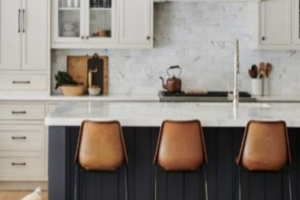
We’ve seen floor plans in new and remodeled homes adapted to buyer’s lifestyles. Older more traditional layouts saw a decline in demand, beginning in the 1990’s. Buyers often gravitated toward the “open concept” designs, that at least combined the kitchen with an eating area and living space. The 2000’s brought an even bigger “open concept,” with many homes eliminating the traditional formal living and dining rooms altogether. The new designs simply offered a “great room,” with all shared living space in one open room. The result was large open spaces that were often visually appealing. For some buyers the visual appeal was strong, but the idea of only having one room for all shared activities, was not. This became even more of an issue in 2020, when most people were doing everything at home, due to the pandemic. Since 2020, the demand for some sort of a “bonus” room, as well as home office space has become much greater. Buyers still want the openness of a “great room,” but having other usable rooms outside of bedrooms or formal rooms has become a priority.
The cost of home improvement projects has gone up considerably in recent years. In addition, fewer home buyers have the time or desire to take on these projects. The result is that most home buyers prefer a home that is turnkey. They value the idea of being able to move in and not have to deal with any repairs or improvements. As a result, new or remodeled homes with neutral, quality finishes tend to sell faster and for higher prices, than homes that are dated, or overly personalized.
Wildfires and changes to insurance policies have also had a big impact on home values and desirability. For some buyers, choosing a location that is not in a fire hazard zone has become preferable, mostly due to concerns over the availability and cost of insurance. Some buyers will also factor in the value of home hardening features, where fire resistant materials have been used, along with landscaping and hardscaping that follow best practices for protecting homes from fire loss.
Solar energy systems, water efficient landscaping and energy efficient appliances and home systems are appreciated by most buyers, as well as charging stations for electric vehicles. High quality materials also add appeal.
If you are reading these suggestions and none of the most desirable features sound like your home, don’t panic. Not every home buyer wants the same thing, and some would love the opportunity to remodel and do things their own way. If you’re thinking about selling, reach out to your trusted REALTOR® for an assessment of what you should or should not do, in preparation for a sale. You’ll want to make sure that your plans give you the best return on investment and increase the value and appeal of your home.